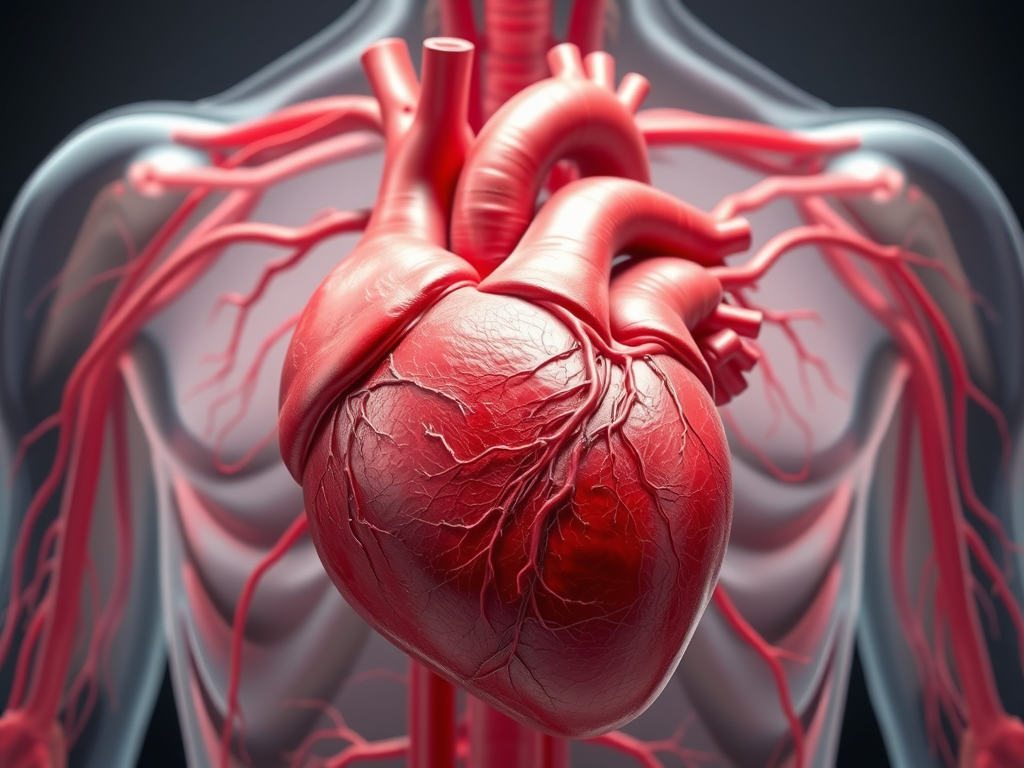
Understanding Your Heart Health as a Woman
Cardiovascular disease is the leading cause of death for women in the UK, affecting millions. Many women live with it for years, sometimes without realising how their symptoms or life stages connect to heart risks.
Symptoms can differ from the classic crushing chest pain often shown in media. Women more commonly experience breathlessness, unusual fatigue, nausea, jaw or back discomfort, or general unease.
These symptoms can be mistaken for other issues, especially during busy life stages like raising a family or managing work. This sometimes leads to later presentation or different care pathways.
Pregnancy offers an important window. Conditions such as pre-eclampsia, gestational hypertension, or gestational diabetes signal higher future risks of high blood pressure, heart disease, and stroke. The year after birth remains a vulnerable time when heart problems can overlap with normal recovery. National reviews of maternal deaths have repeatedly noted delays in recognising cardiac issues.
Everyday factors matter too. High blood pressure and raised cholesterol may go unchecked longer in younger women. Autoimmune conditions like rheumatoid arthritis or lupus (more common in women), migraine with aura, and early menopause also influence risk. Standard risk calculators used in GP surgeries do not always fully account for these.
What you can do
Attend NHS Health Checks if offered. Know your blood pressure and discuss any pregnancy complications or family history with your GP. If you feel something is wrong – especially after pregnancy or during perimenopause -describe all symptoms clearly, including tiredness or breathlessness. Ask about follow-up if results seem borderline. Many women become the coordinators of their own care across different services; keeping a simple record of symptoms, tests, and pregnancy history helps.
Awareness has grown through public health efforts and charities, but variation still exists across the NHS. Newer high-sensitivity blood tests for heart injury are more accurate when used with thresholds adjusted for sex, though not every hospital applies them consistently yet.
Internal links for further reading
- Maternity Care and Long-Term Health Outcomes
- Informed Consent and Diagnostic Testing
- Menopause and Cardiovascular Health
References (for this patient-focused article)
- British Heart Foundation and NHS data on CVD prevalence in UK women.
- NICE guidance on chest pain and high-sensitivity troponin.
- Reports from MBRRACE-UK on maternal mortality.
- Studies on pregnancy complications and future CVD risk (e.g., pre-eclampsia meta-analyses).
- Publicly available NHS England CVD prevention programme documents.
Links
See also our pages on Maternity and Menopause

Mandatory Disclaimer
This article is for general information and discussion only. It is not medical or legal advice, nor a substitute for professional advice. To contribute evidence, ideas, or corrections, please email womenshealthproject@outlook.com. Please do not share personal data when emailing. Individual cases cannot be reviewed.
This project does not offer any form of legal service and cannot assist with complaints, claims or individual advocacy. This platform is independent and not affiliated with any law firm, regulator, inquiry or clinical body.
© 2026 Women’s Health Inquiry Project (WHIP). This article includes original analysis of material from publicly available national sources. It may not be reproduced without permission.