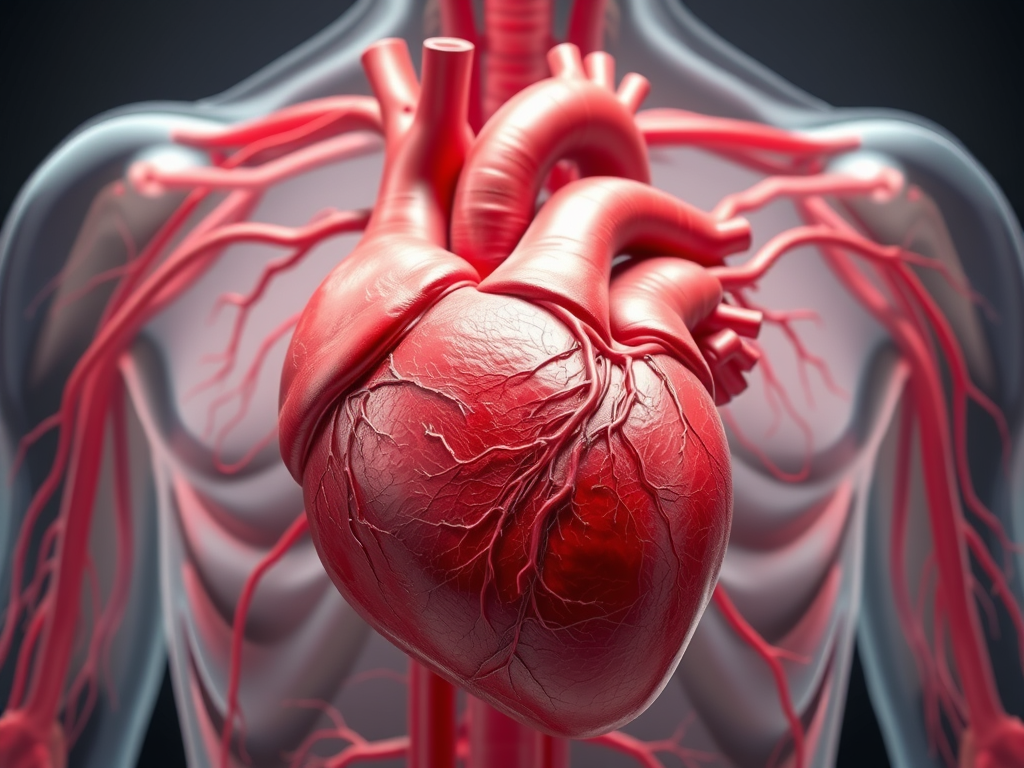
National policy and regulatory frameworks in England and Wales have progressively acknowledged sex differences in cardiovascular disease, yet implementation gaps persist. Cardiovascular disease remains the leading cause of female mortality. Audits and inquiries repeatedly identify under-recognition of hormonal influences and pregnancy-related risk signals within governance structures.
Key levers include NICE guidance (NG23), which explicitly addresses cardiovascular considerations in menopause management and directs clinicians away from using HRT for CVD prevention while supporting symptom relief. MBRRACE-UK and HSSIB investigations underscore the need for better integration of reproductive history into cardiac pathways and improved safety-netting during perinatal and menopausal transitions. NHS England cardiac policies are evolving to incorporate female-specific risks.
Governance considerations
- Data and research: Historical underrepresentation of women in cardiovascular trials has shaped evidence bases. Policy should continue mandating sex-disaggregated analysis and inclusion of women across life stages.
- Risk tools and records: Digital systems and QRISK-type tools should better incorporate pregnancy complications, early menopause, and hormonal treatments.
- Pathways and transitions: Fragmentation across primary care, maternity, gynaecology, endocrinology, and cardiology requires stronger handover protocols and lifetime risk records.
- Regulation and learning: Expansion of oversight post-inquiries has increased reporting but must translate into measurable improvements in outcomes for women.
Opportunities exist for integrated lifetime cardiovascular risk assessment that links reproductive endocrinology with cardiac care. British Heart Foundation and national programmes support this direction.
See governance pages: Learning from Inquiries in Women’s Health and Data Disaggregation in NHS Policy.
References
- NICE NG23.
- MBRRACE-UK.
- HSSIB.
- NHS England cardiac updates.
- BHF policy responses.

Mandatory disclaimer
This article is for general information and discussion only. It is not medical or legal advice, nor a substitute for professional advice. To contribute evidence, ideas, or corrections, please email womenshealthproject@outlook.com. Please do not share personal data when emailing. Individual cases cannot be reviewed.
This project does not offer any form of legal service and cannot assist with complaints, claims or individual advocacy. This platform is independent and not affiliated with any law firm, regulator, inquiry or clinical body.
© 2026 Women’s Health Inquiry Project (WHIP). This article includes original analysis of material from publicly available national sources. It may not be reproduced without permission.