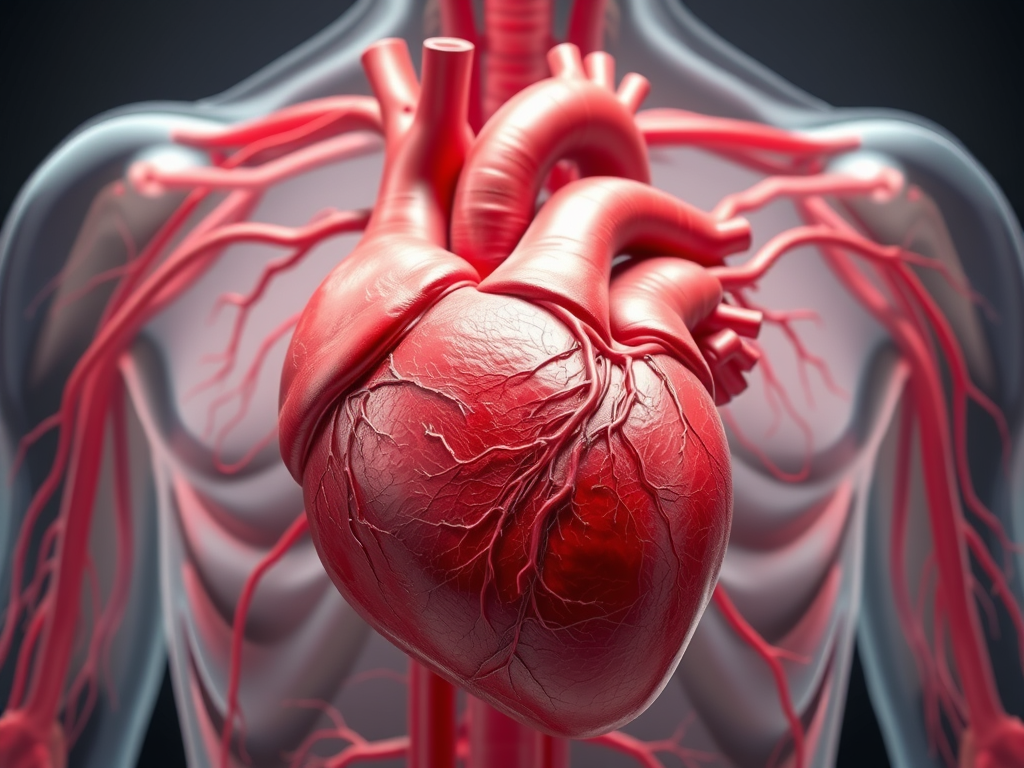
Cardiovascular disease is the leading cause of death for women in the UK. Many women notice that symptoms like chest pain, breathlessness, or palpitations are sometimes brushed off as stress, anxiety, or menopause-related issues. Hormonal changes throughout life play a significant role in how your heart works, but these are not always fully addressed in everyday care.
Your body’s natural hormones – particularly oestrogen – offer protection before menopause, which is one reason why heart problems tend to appear later in women than in men of the same age. After menopause, or with early menopause, surgical menopause, or certain treatments, that protection can change. Pregnancy also acts like a stress test for your heart. Conditions such as pre-eclampsia, gestational hypertension, or gestational diabetes signal a higher chance of future heart issues, even years later.
Hormone Replacement Therapy (HRT) helps with menopause symptoms like hot flushes and night sweats for many women. Current evidence shows that for healthy women starting HRT within 10 years of menopause and before age 60, it is generally not linked to increased cardiovascular risk and may even support heart health in some cases when using appropriate formulations. However, HRT is not prescribed to prevent heart disease. Decisions should be individual, weighing your personal history.
Many women describe challenges in getting symptoms taken seriously across hormonal transitions – during contraception use, pregnancy, perimenopause, or after cancer treatments that affect hormones. Joined-up care between services can feel fragmented, leaving women to connect the dots themselves.
What you can do Keep a record of your pregnancy history, menopause symptoms, and any hormonal treatments. Share this with your GP or practice nurse during check-ups. Ask about how your hormonal stage might affect heart risk assessments. Lifestyle steps – staying active, eating well, not smoking, and managing blood pressure – remain powerful tools at every life stage.
National programmes through the British Heart Foundation and NHS England are increasing awareness of women’s heart symptoms, which can differ from men’s (sometimes described as “atypical”). Updated NICE guidance on menopause supports better recognition of these links.
See also on this site: Pregnancy Complications and Future Health and Menopause and Long-Term Health.
References
- NICE. Menopause: identification and management (NG23). https://www.nice.org.uk/guidance/ng23
- British Heart Foundation. Women’s cardiovascular health. https://www.bhf.org.uk
- MBRRACE-UK. Saving Lives, Improving Mothers’ Care. https://www.npeu.ox.ac.uk/mbrrace-uk
- NHS England cardiac policy updates.
- HSSIB national investigations. https://www.hssib.org.uk
Mandatory disclaimer This article is for general information and discussion only. It is not medical or legal advice, nor a substitute for professional advice. To contribute evidence, ideas, or corrections, please email womenshealthproject@outlook.com. Please do not share personal data when emailing. Individual cases cannot be reviewed.
This project does not offer any form of legal service and cannot assist with complaints, claims or individual advocacy. This platform is independent and not affiliated with any law firm, regulator, inquiry or clinical body.
© 2026 Women’s Health Inquiry Project (WHIP). This article includes original analysis of material from publicly available national sources. It may not be reproduced without permission.