This article is for general information and discussion only. It is not medical or legal advice, nor a substitute for professional advice.
To contribute evidence, ideas, or corrections, please email womenshealthproject@outlook.com. Please do not share personal data when emailing. Individual cases cannot be reviewed. This project does not offer any form of legal service and cannot assist with complaints, claims or individual advocacy. This platform is independent and not affiliated with any law firm, regulator, inquiry or clinical body.
© 2026 Women’s Health Inquiry Project (WHIP). This article includes original analysis of material from publicly available national sources. It may not be reproduced without permission.
What NHS England’s Model Emergency Department Means for You
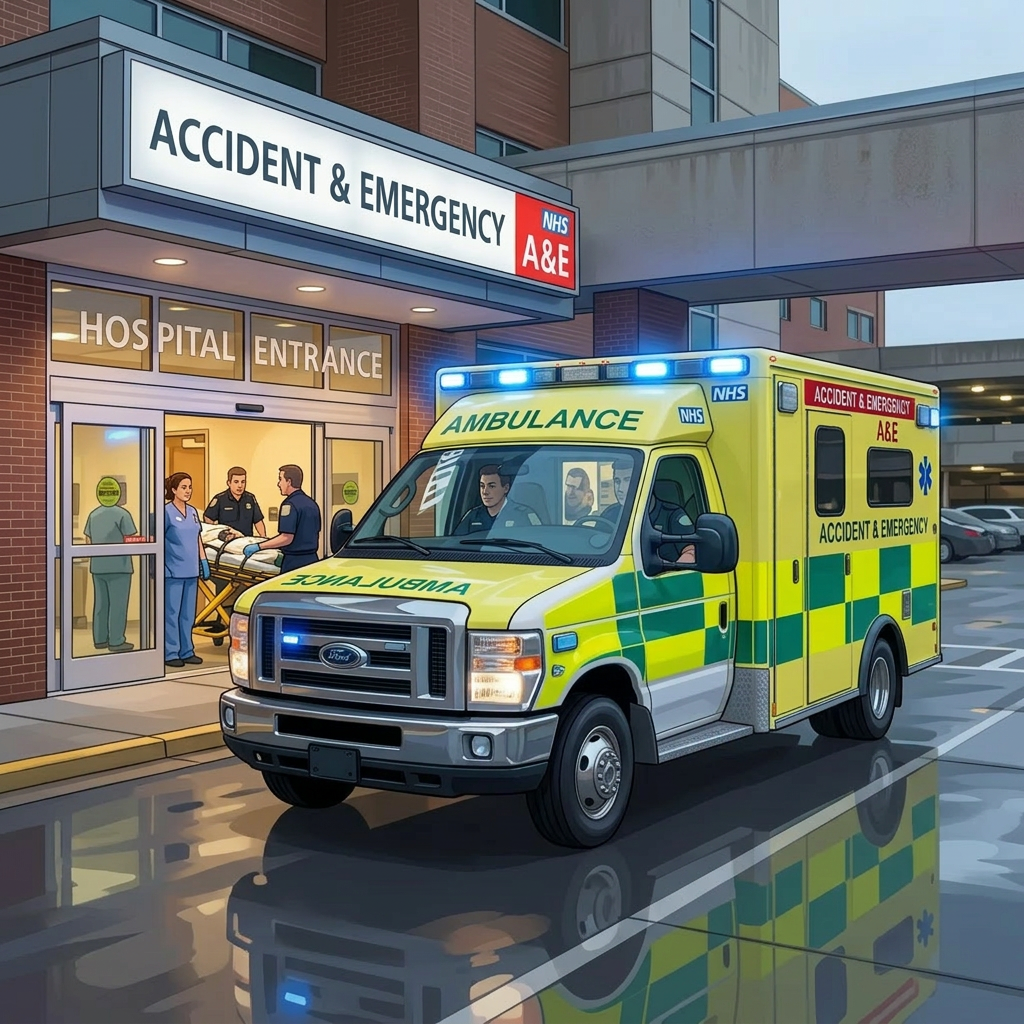
If you or someone you care about needs urgent help, you go to an emergency department (A&E). In February 2026, NHS England published new guidance called the Model Emergency Department. It explains how A&E departments should work to provide better, faster care and reduce long waits.
When you arrive, staff should quickly check how urgent your problem is, usually within 15 minutes. This is called streaming. Some people with minor illnesses or injuries may be sent to a separate Urgent Treatment Centre nearby. Others stay in the main emergency area for more serious issues. The aim is to make sure you are in the right place for the right care.
The guidance also creates special areas where some patients can stay a bit longer for tests and treatment (up to around 12 hours in total) before going home. This is meant to avoid unnecessary hospital admissions and reduce overcrowding. You should receive clear information about what is happening, why you are waiting, and what happens next. Staff are encouraged to give reassurance and explain things compassionately.
Women sometimes attend A&E with problems linked to periods, pregnancy, pelvic pain, or other health changes that happen at different life stages. Good care means these issues are properly assessed without unnecessary delay. Past and ongoing problems in busy A&Es have shown how important it is for staff to listen carefully and understand the full picture of a woman’s health.
The whole NHS system is meant to work together better so you are not left waiting on a corridor or in the wrong area. This model is part of longer-term efforts to improve urgent care for everyone, including women at different stages of life.
References
- NHS England. (2026). The Model Emergency Department: high performing urgent and emergency care pathways.
- Publicly available NHS information on patient experiences and emergency department use.
Linked pages
(to follow)